WiFi Booster vs Range Extender: What Is the Difference?
Updated for September 2026 | Comprehensive Networking Comparison & Consumer Hardware Guide
WiFi Booster vs Range Extender Direct Comparison: While both devices aim to eliminate home dead spots, a compact plug in wifi booster like WiFi Boost Pro focuses on fast, driverless setup, space-saving wall integration, and direct local amplification. In contrast, traditional range extenders often require external antennas, manual IP portal configurations, and larger physical footprints. Choosing between them depends on your home size, technical preference, and budget.
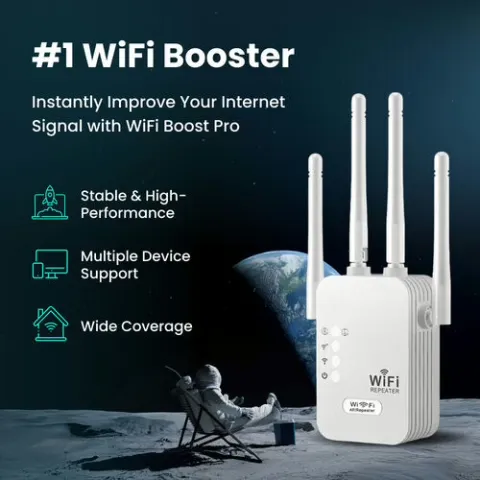
1. Core Concepts: WiFi Booster vs Range Extender Explained
When searching for ways to fix slow internet speeds or dead zones in distant rooms, homeowners frequently encounter overlapping terms. Deciding between a wifi booster vs range extender comes down to understanding form factor, setup complexity, and signal distribution methods.
A plug in wifi booster is an all-in-one compact wall unit designed to capture an existing Wi-Fi signal and rebroadcast it directly into weak signal areas without requiring additional power cables. On the other hand, traditional range extenders are often standalone desktop units requiring dedicated power adapters and multi-antenna adjustments.
To see how a top-rated compact booster performs in real-world home testing, check out our full WiFi Boost Pro Review, or consult our step-by-step WiFi Boost Pro Setup Guide for configuration details.
2. How They Function: Signal Amplification & Protocols
Both device types operate on standardized radio frequency protocols defined by the IEEE Standards Association ($802.11$ networking family). Wireless signals experience physical attenuation—known as signal loss—when traveling through drywall, concrete slabs, and brickwork.
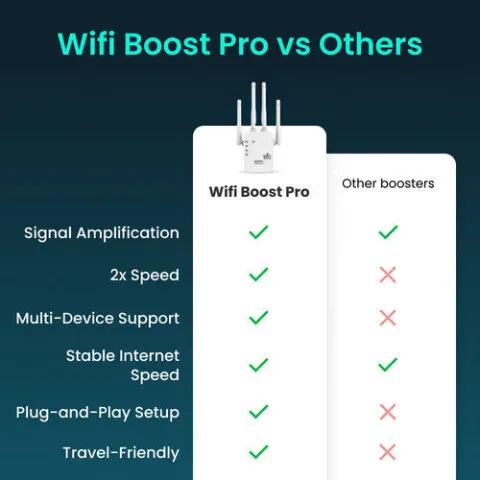
A traditional range extender receives radio waves, creates a brand new secondary network (SSID), and requires devices to switch networks as you move around. A modern booster like WiFi Boost Pro simplifies this process, seamlessly relaying data over existing router credentials to maintain continuous coverage throughout your living space.
3. Ideal Use Cases: Who Needs Which Solution?
Evaluating your physical floor plan helps identify the right home network coverage solutions for your situation:
- Choose a Plug-In WiFi Booster If: You want a quick 5-minute setup, have limited desk or floor space, need coverage extended to 1-3 specific dead zones (bedrooms, backyard patio, basement), and prefer an affordable, energy-efficient solution.
- Choose a Traditional Range Extender If: You operate an industrial workspace requiring complex multi-band routing, or need multi-port physical switches for extensive wired networking racks.
4. Side-by-Side Feature & Hardware Comparison
Here is how a modern wifi boost pro comparison stacks up against older traditional range extenders:
| Feature / Spec | WiFi Boost Pro (Plug-In Booster) | Traditional Range Extender |
|---|---|---|
| Installation Time | Under 5 minutes (Plug-and-Play) | 15–30 minutes (Manual Config) |
| Design & Space | Direct Wall-Plug (No Cables) | Bulky Desktop / External Power Brick |
| Wired Connectivity | 1x LAN Ethernet Port Included | Varies (1 to 4 Ports) |
| Router Compatibility | Universal (802.11 b/g/n Routers) | May Require Specific Brand Matching |
| Energy Efficiency | Low Power Consumption Vents | Higher Power Usage |
5. Best WiFi Extender Features to Look For in 2026
When evaluating hardware options for modern home networking, ensure your choice includes the best wifi extender features for maximum value:
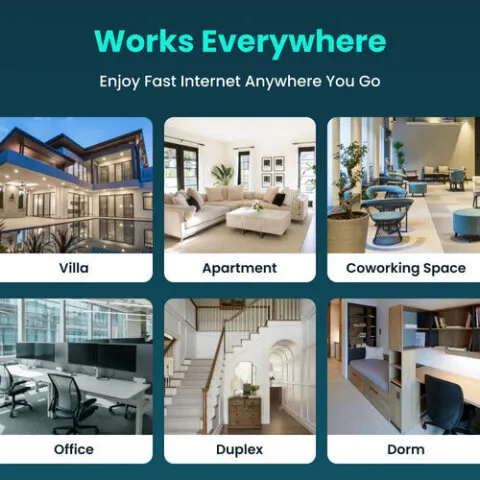
- Universal Gateway Support: Compatibility with all major ISP routers without needing proprietary hardware lock-ins.
- Pass-Through LAN Port: Allows direct Ethernet cabling for high-priority devices like Smart TVs or desktop PCs.
- WPA2 Encryption Protection: Guarantees secure data transfer across extended wireless networks to protect personal information.
- Compact Thermal Design: Built-in passive ventilation prevents overheating during continuous 24/7 operation.
6. Frequently Asked Questions (FAQ)
7. Final Decision & Best Value Recommendation
In the debate of wifi booster vs range extender, compact plug-in boosters emerge as the clear winner for everyday residential users. They deliver fast installation, reliable signal coverage across dead spots, and zero desktop cable clutter at a fraction of the cost of complex mesh hardware.
For most households seeking immediate, hassle-free signal expansion, the WiFi Boost Pro remains our top recommended choice for 2026.